H.T. Parekh Foundation Supports Launch of Women-Led Inclusive Heat Action Plan in Indore
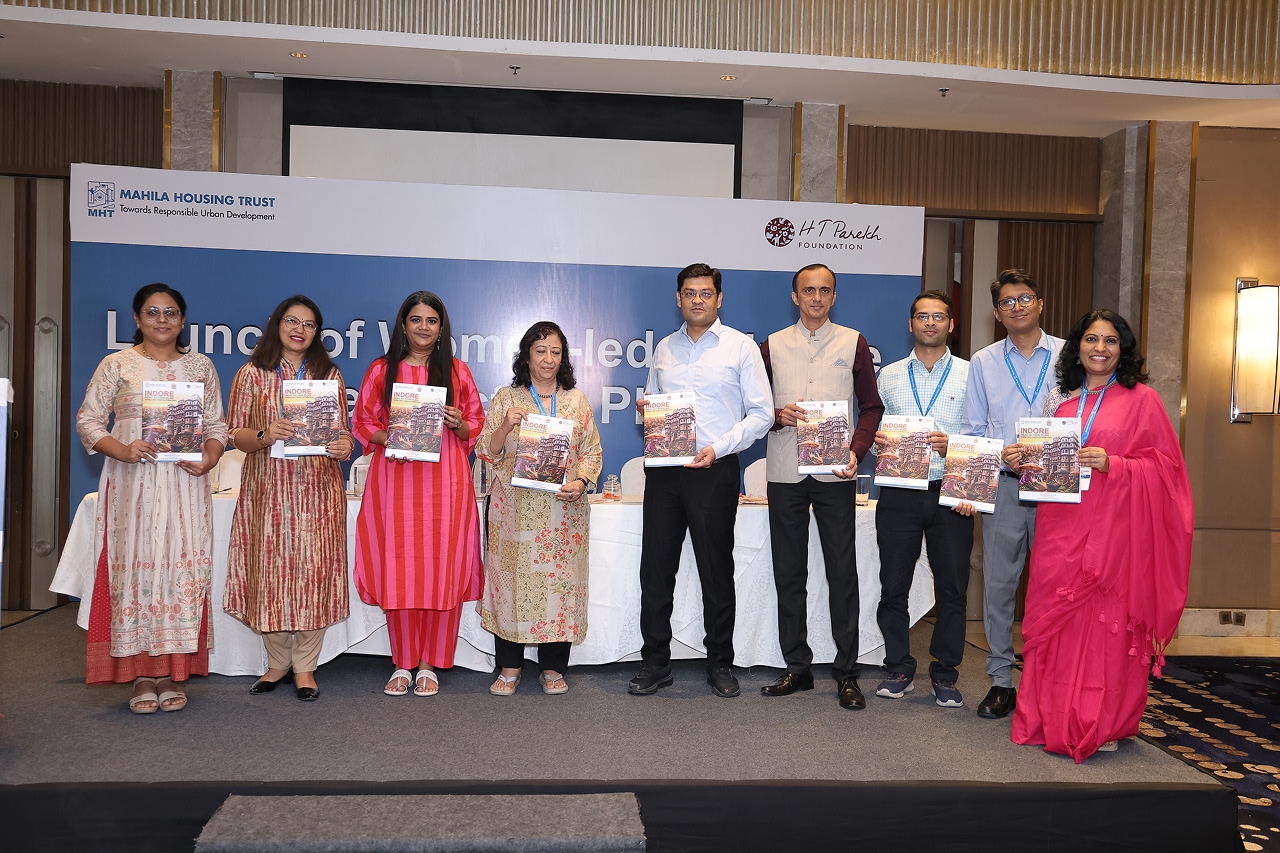
The H.T. Parekh Foundation (HTPF), through its support to the Gujarat Mahila Housing Trust (MHT), has contributed to the development of the Women-Led Inclusive Heat Action Plan (HAP) for Indore, launched in partnership with the Indore Municipal Corporation (IMC) in July 2026.
HTPF has supported the initiative's focus on evidence-based heat risk assessment, community participation, actionable mitigation and adaptation strategies and low cost scalable urban cooling interventions. The initiative aims to bridge the gap between heat risk planning and practical implementation, particularly for vulnerable urban communities.
Advancing Women-Led and Inclusive Heat Resilience
A distinguishing feature of the Indore HAP is its women-led, hyperlocal and participatory approach. Trained women community volunteers contributed to identifying neighbourhood-level heat risks, vulnerabilities and adaptation priorities, ensuring that community experiences inform the city's heat resilience strategies.
The plan is grounded in the IPCC Sixth Assessment Report (AR6) risk framework, which assesses climate risk through the interaction of hazards, exposure and vulnerability. It integrates scientific assessments, local knowledge and stakeholder consultations to identify practical adaptation strategies at ward and city levels.
Another distinctive feature of the HAP is its inclusion of night-time temperature assessments, recognizing that heat risks persist beyond daytime hours. By considering both daytime and night-time heat conditions, the plan provides a more comprehensive understanding of urban heat exposure and supports the identification of priority areas for targeted adaptation interventions.
HTPF's support has focused on encouraging an implementable, evidence-based and outcome-oriented approach, emphasizing the translation of risk assessments into practical solutions, institutional coordination and opportunities for replication and scaling.
Developed by MHT through consultations with municipal departments, healthcare institutions, academic experts, civil society organizations and vulnerable communities, the HAP is designed as an evolving document, with IMC taking ownership of its implementation and periodic updates.
From Planning to Implementation: Scalable Cooling Solutions
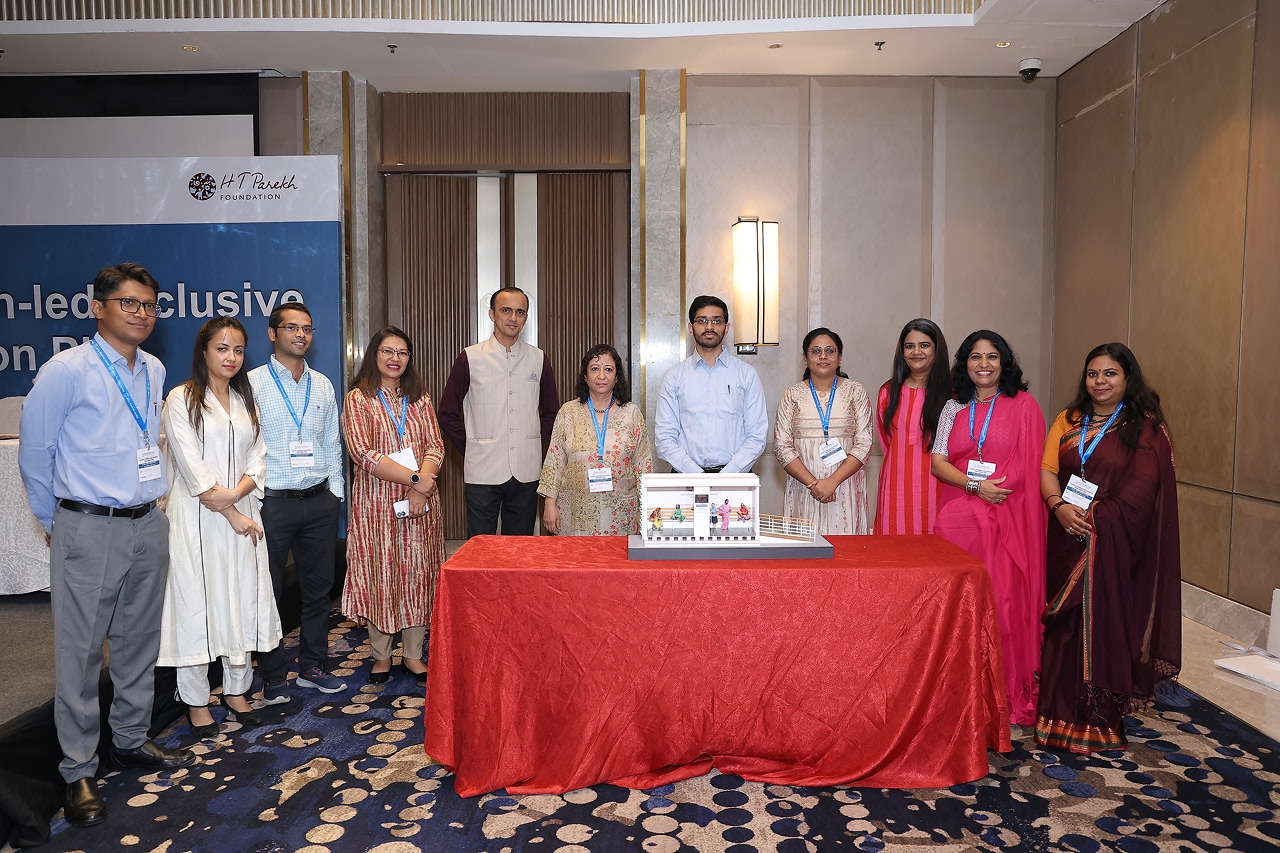
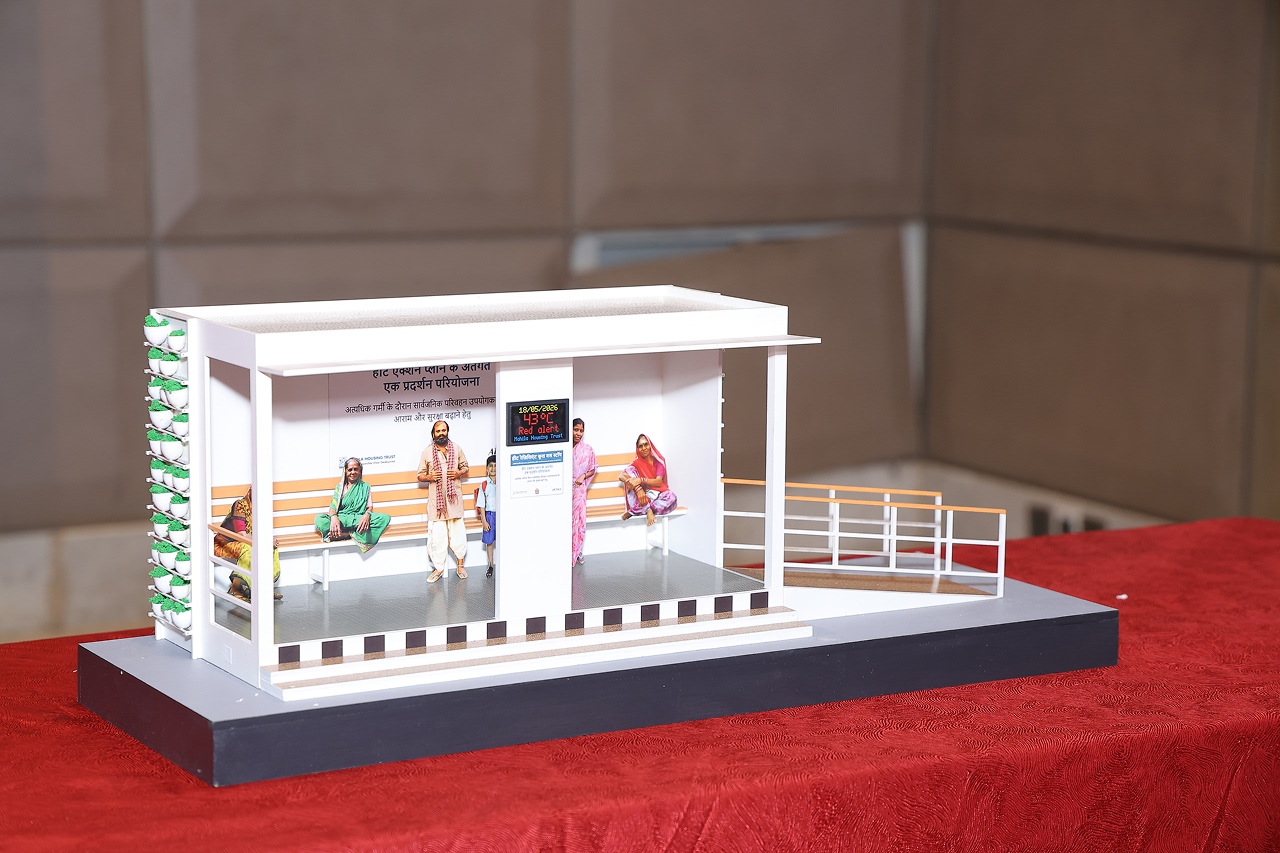
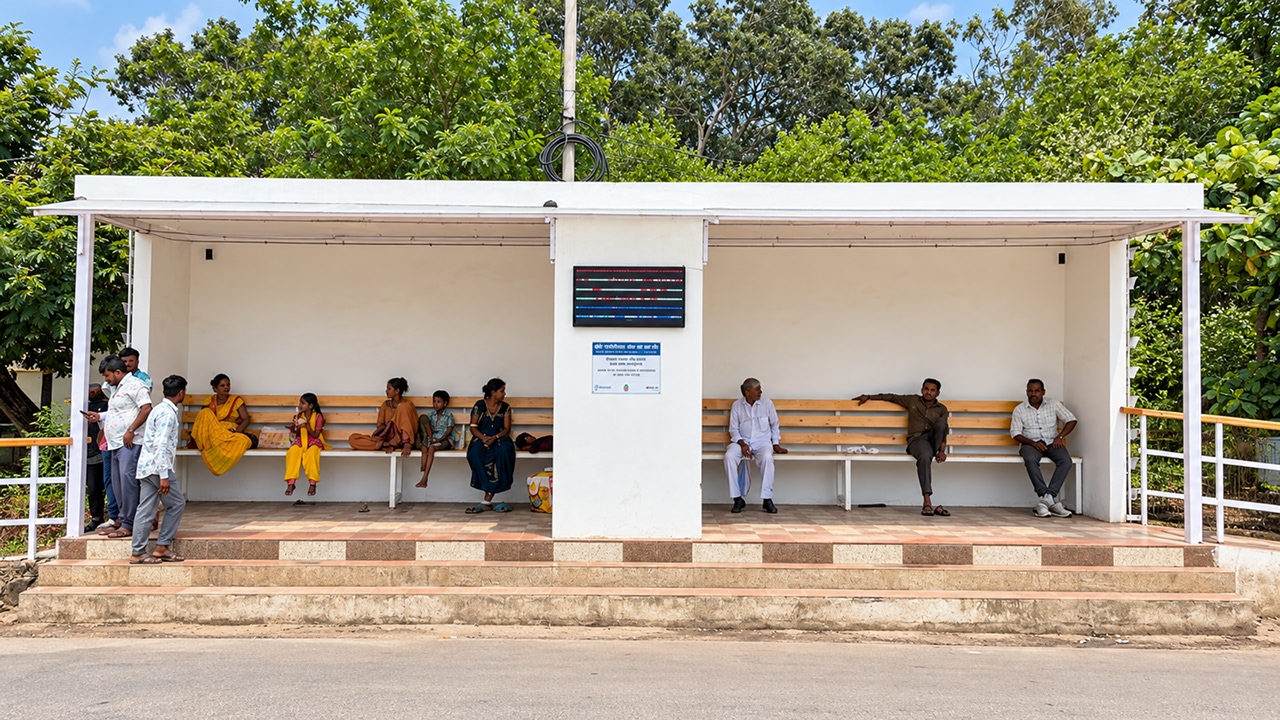
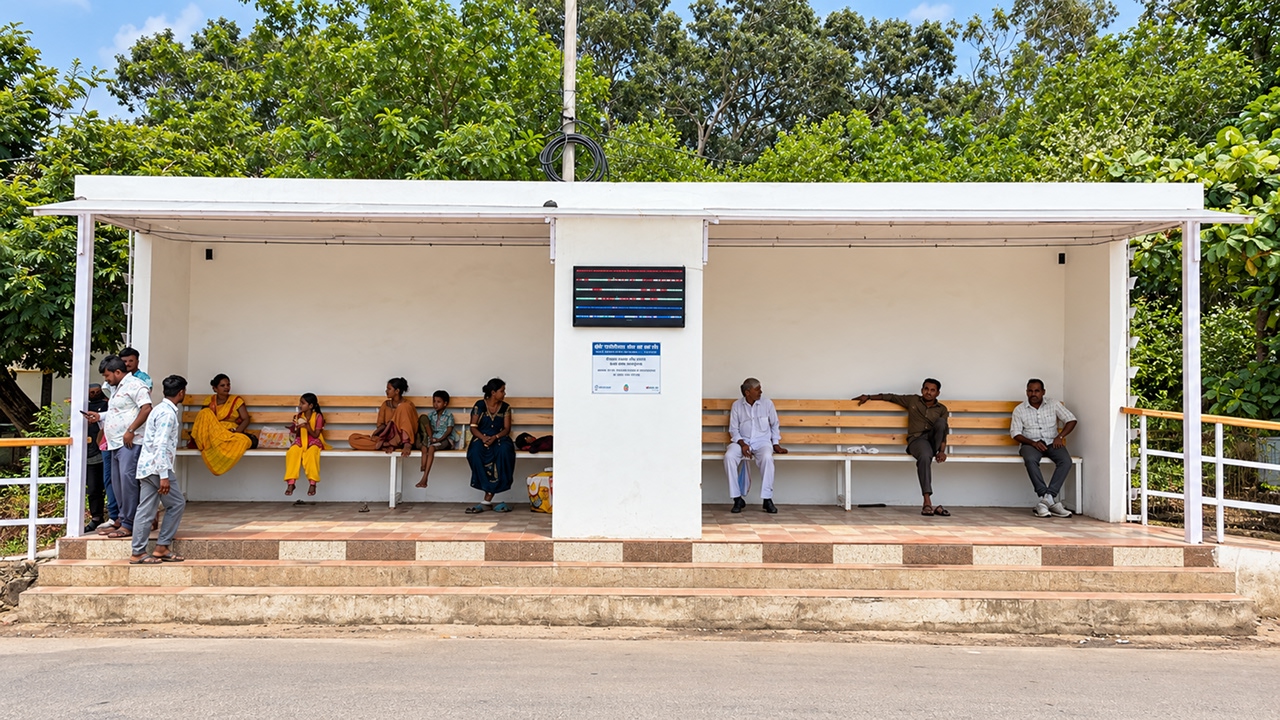
A key highlight of the launch was the virtual inauguration of a miniature model of the Cool Bus Stop, an innovative urban heat adaptation intervention supported under the initiative.
The Cool Bus Stop is envisioned as a climate-resilient, citizen-centric infrastructure prototype designed to improve thermal comfort for public transport commuters through innovative engineering and climate-responsive design.
During the event, Mr. Arth Jain (IAS), CEO, Indore Smart City and Additional Commissioner (Transport), emphasized the importance of tangible, measurable and scalable interventions. He encouraged piloting innovative solutions and exploring their replication across up to two to three locations in Indore.
The event was also attended by Mr. Saurabh Maheshwari, Heat Nodal Officer, IMC, along with representatives from HTPF, MHT, IIT Indore and local civil society organizations.
Strengthening Long-Term Urban Climate Resilience
For H.T. Parekh Foundation, the initiative represents an important opportunity to support the transition from research and planning to on-ground climate adaptation. Through strategic grant support, engagement with implementation partners and an emphasis on measurable outcomes, the Foundation seeks to strengthen community-centred, locally relevant and scalable solutions to extreme heat.
The Indore initiative demonstrates the potential of bringing together scientific evidence, women's leadership, municipal ownership and practical innovation to build long-term urban climate resilience and inform similar efforts across Indian cities.