H.T. Parekh Foundation at Mumbai Climate Week 2026
The first Mumbai Climate Week (MCW) took place from 17 to 19 February 2026 at the Jio World Convention Centre. It was led by Project Mumbai with the Government of Maharashtra and brought together more than 2,000 delegates and 500 speakers from over 30 countries.
H.T. Parekh Foundation was an early supporting partner and sat on the MCW steering committee. With WRI India and India Climate Collaborative, HTPF was also a thematic partner for the urban resilience stream. Through ReVIVE, its urban climate initiative, HTPF used the week to put extreme heat at the centre of the conversation on resilient cities.
HTPF brought together policymakers, researchers, civil society and industry across three linked sessions:
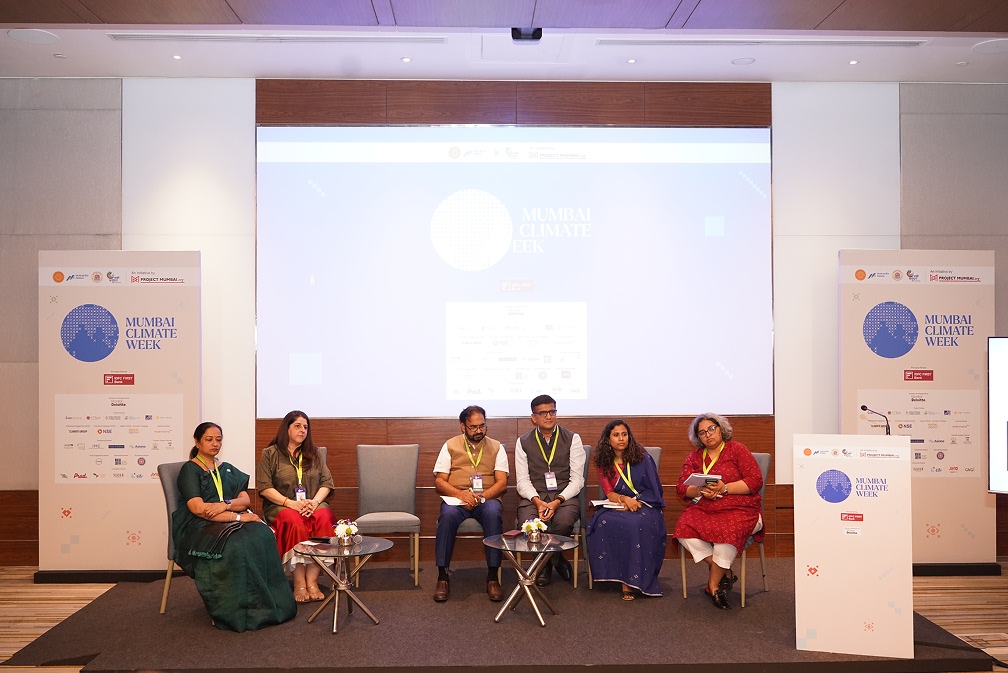
1. Data for Heat Resilience: What We Have, Lack, and Need. This closed-door roundtable on 17 February was run by CSTEP with CEEW and supported by HTPF. Decision-makers and practitioners looked at how urban typologies shape heat risk, what a shared heat data stack for Indian cities could include, and how data and AI could support fairer, better-financed heat solutions. CSTEP soft-launched its National Heat Risk Dashboard under the HTPF-funded BHRIGU project. The dashboard maps past, present and future heat patterns across more than 4,000 urban areas.
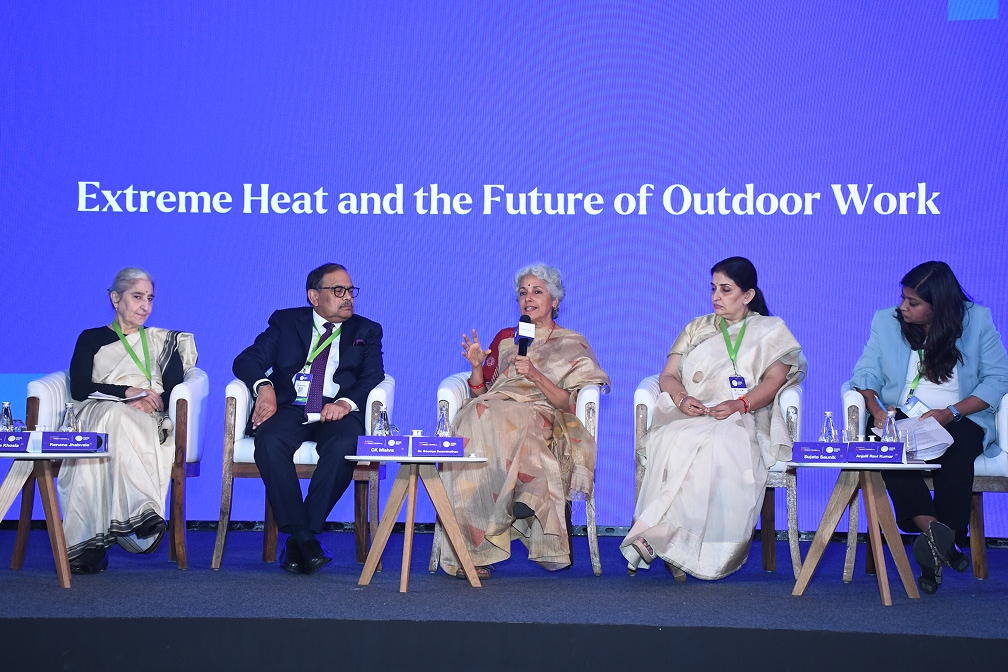
2. Extreme Heat and Outdoor Work. This session, co-hosted with NRDC, looked at what extreme heat costs people who work outdoors, such as street vendors, construction workers and delivery riders. Much of that cost stays hidden in chronic exhaustion, lost income and lower productivity long before a medical emergency. Speakers called for low-cost, local protections like shade, water, cool roofs and rest spaces.
3. Heat and the built environment. This closed door roundtable discussion co-hosted with HDFC Capital asked how buildings, materials and city planning make heat worse or better, and what would make heat-resilient design standard practice.
Heat came up again and again as a structural risk that cuts across sectors, not a seasonal event. That fits ReVIVE's view that heat needs year-round governance, finance and data.