Consultation on Community Models for Risk Finance
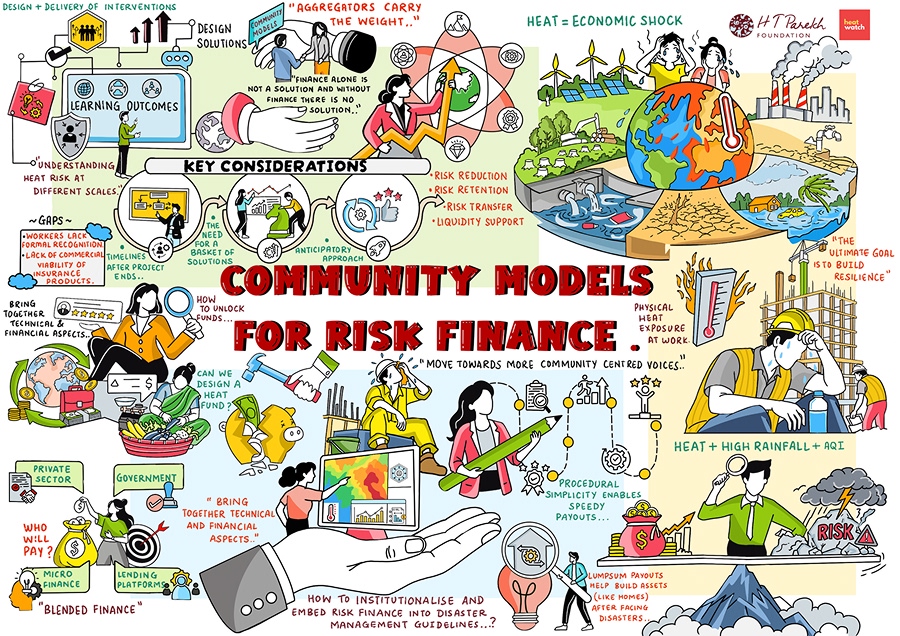
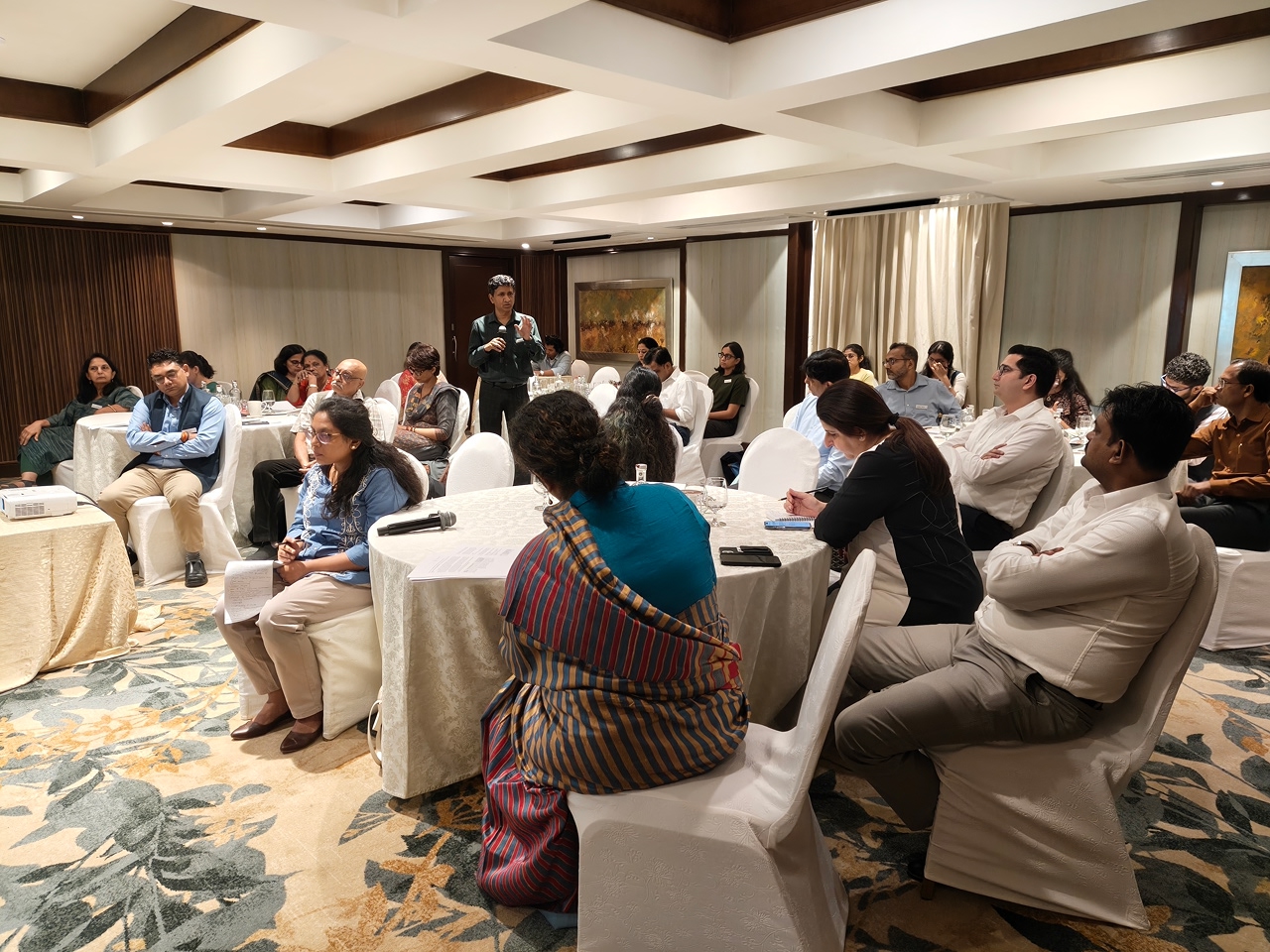
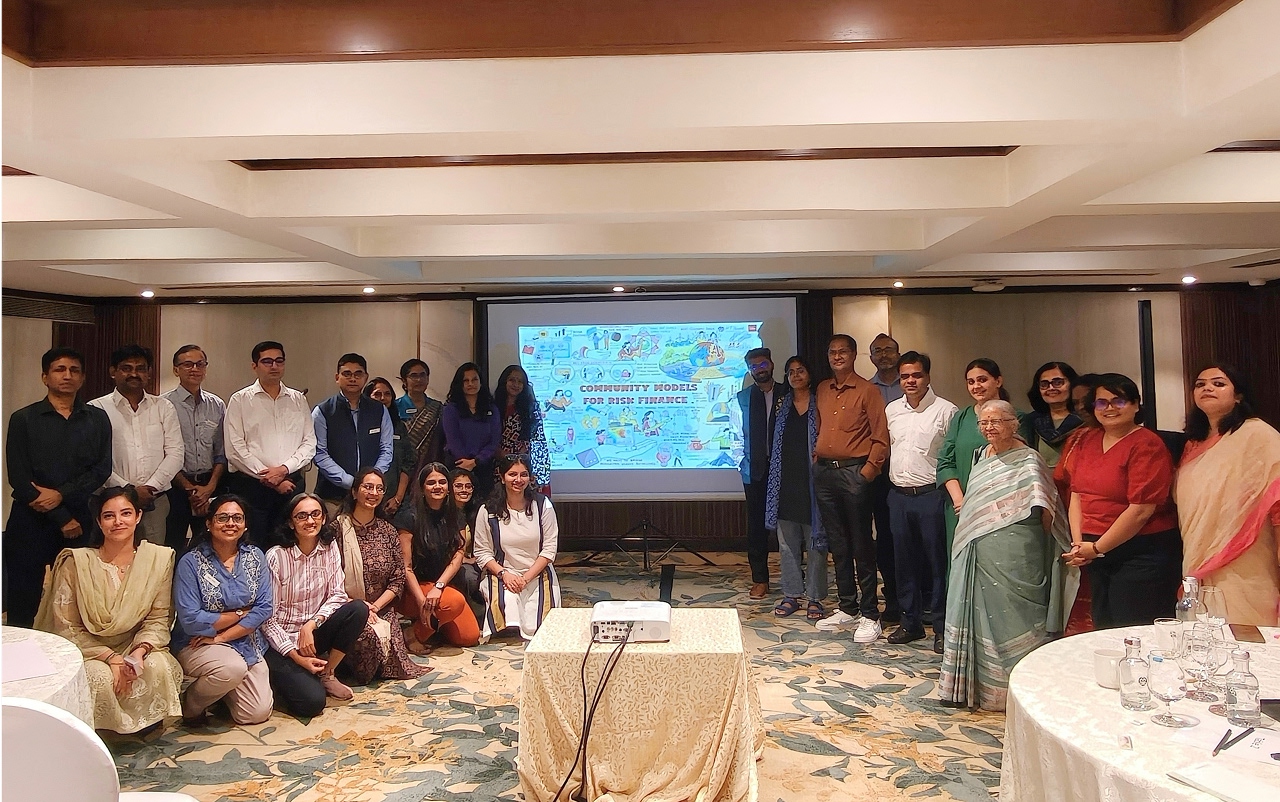
On 1st October 2026, H T Parekh Foundation and HeatWatch brought together 20 organisations including worker unions and collectives, NGOs, think-tanks, insurers, financial inclusion institutions in Mumbai to discuss and imagine what holistic protection for heat-vulnerable workers can look like. The consultation asked how community models of risk finance could get usable money to informal workers during the hottest weeks without pushing them into debt.
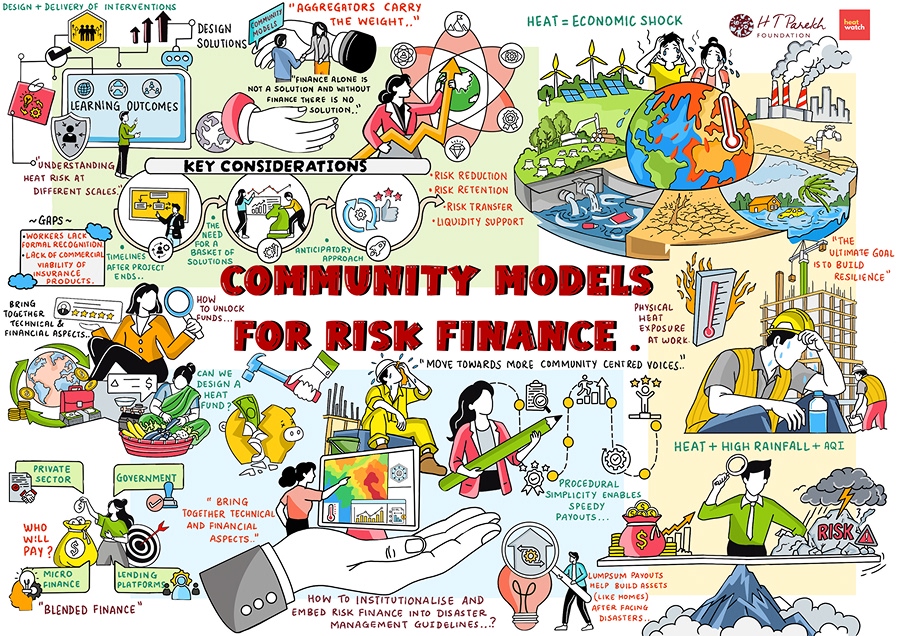
The goal is to move from post-event relief towards a set of financial arrangements that are arranged in advance, reach the household quickly, and are designed around the way informal workers lose money during a heat season. That means examining a wider set of instruments than insurance alone and being explicit about which layer of risk each instrument is meant to occupy, who funds it, and what evidence would justify taking it to scale.
The clearest conclusion was that insurance on its own does not protect workers. Parametric products have paid little or nothing in years when their thresholds rested on wrong assumptions about local temperatures or ignored humidity and night heat, and members kept their trust only where cover came with cooling support, a cash layer and health care. Participants also found that payouts arrive late and are small, and that unions and cooperatives already carry most of the work of enrollment and building trust. Separately, many workers never reach the welfare schemes meant for them, because they lack registration, documents or an active bank account.
Participants recommended layered protection that combines shade, water and rest at work, seasonal credit, better-designed parametric cover and fast cash. They agreed that premiums should be shared by the government, platforms, builders and customers rather than paid by workers.
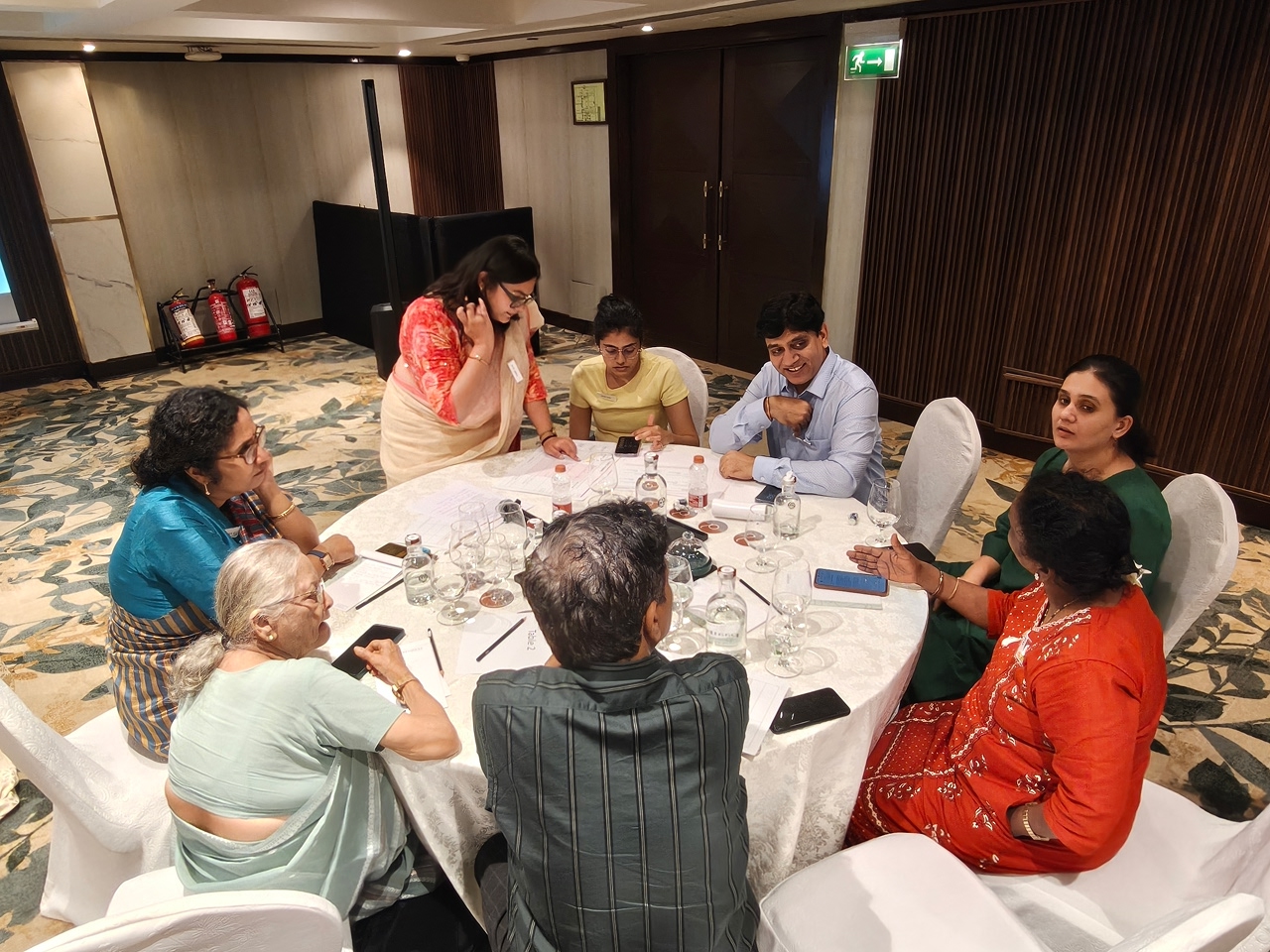
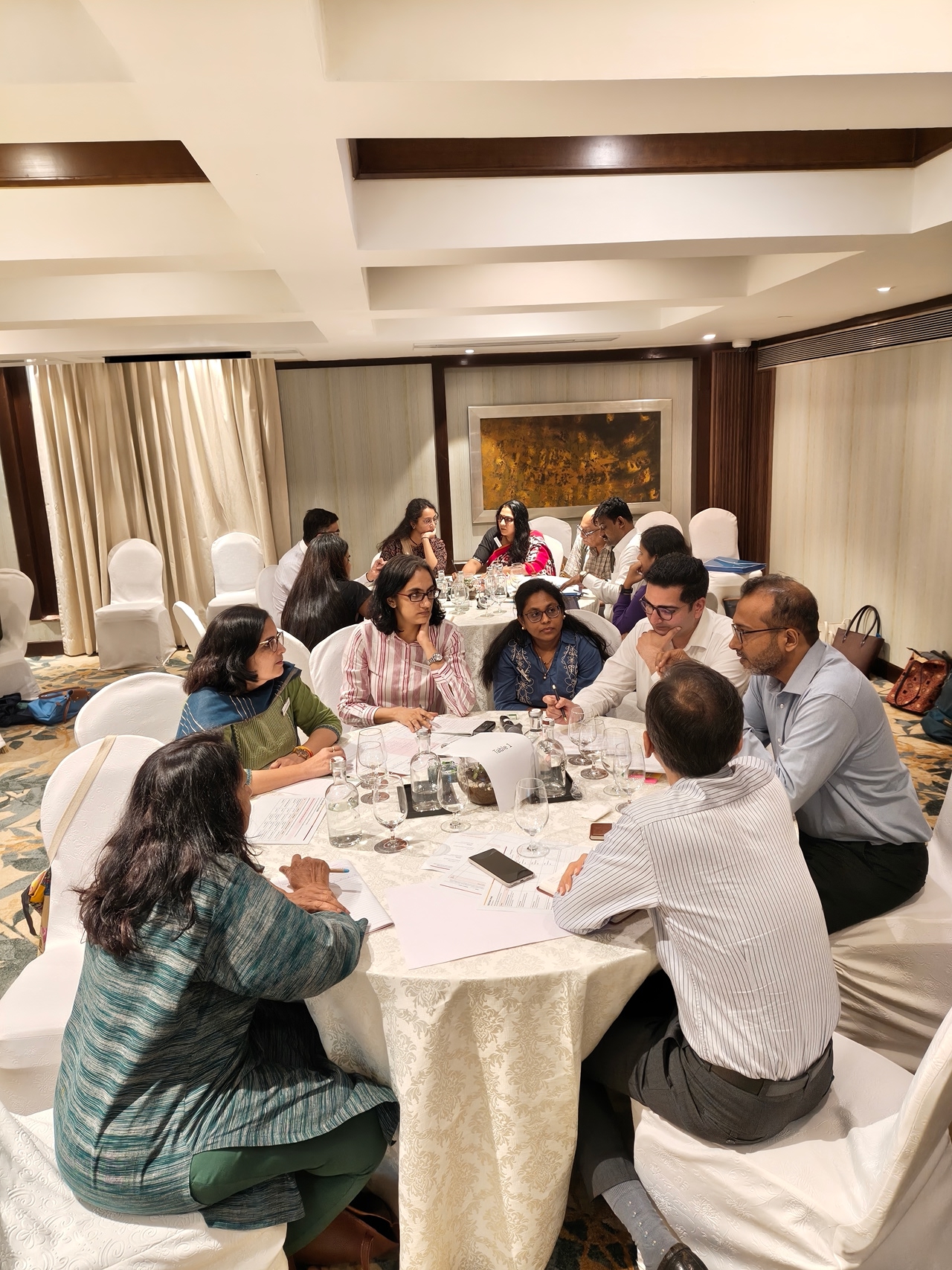
As part of the day-long consultation, participants were divided into four groups, and they designed protection for one worker each. The resulting designs varied in interesting ways, and the discussions helped us ask who bears the cost, who maintains shared amenities, which weather data insurers will accept, and what workers can realistically claim.
In closing, the H T Parekh Foundation described risk finance as an area where no one is yet sure the right product exists, and where the risk is high even for a philanthropy. The day was designed to bring community representatives, intermediaries and civil society organisations into one room, because they are closest to the need on the ground.